There’s a special kind of optimism that strikes before your first camping trip. You picture yourself sitting by a roaring fire, sipping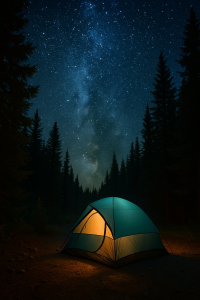 coffee as the sun rises over the pines, maybe even humming some heroic theme song in your head. Reality check? You’ll probably forget your lighter, set up your tent backward, and discover that marshmallows catch fire faster than you can say “s’more.”
Everyone has that first trip that goes sideways. Mine started as a young pre-teen, bright-eyed and busy tailed looking forward to my first trip into the woods without my parents and ended with a half-collapsed tent, a headlamp that died at the worst moment, and a night spent questioning all my life choices while lying in damp socks. And yet—that trip hooked me. Because the difference between a disaster and a great memory is knowing what not to do.
So let’s talk about the most common mistakes first-time campers make—and how to avoid them—before your adventure turns into a survival reality show no one asked for.
1. Not Testing Your Gear Before You Leave
Mistake: You buy a tent, a stove, a headlamp—and then you load it all up and hit “Go”—without ever having set them up or tested them. This is imperative not only to make sure that everything works properly, but also to make sure you know how to use everything properly. Practice makes perfect and you don’t want to be learning how to use your gear on the fly!
Why it bites: You get to your campsite after dark, you fumble with poles in the bugs, your stove refuses to ignite, or your tent zipper breaks. You’ve turned what should be a relaxing night into a low-grade tragedy.
How to avoid it:
-
Set up your tent in your yard (or living room) at least once. Yes, in your pajamas if it’s late.
-
Run through your stove, lantern, water filter, and cooking gear. Know how to use every knob.
-
Test your headlamp/flashlight. Carry spare batteries.
-
Do a “dry run” packing, then unpack. If you can’t replicate it efficiently, you’re overpacking or disorganized.
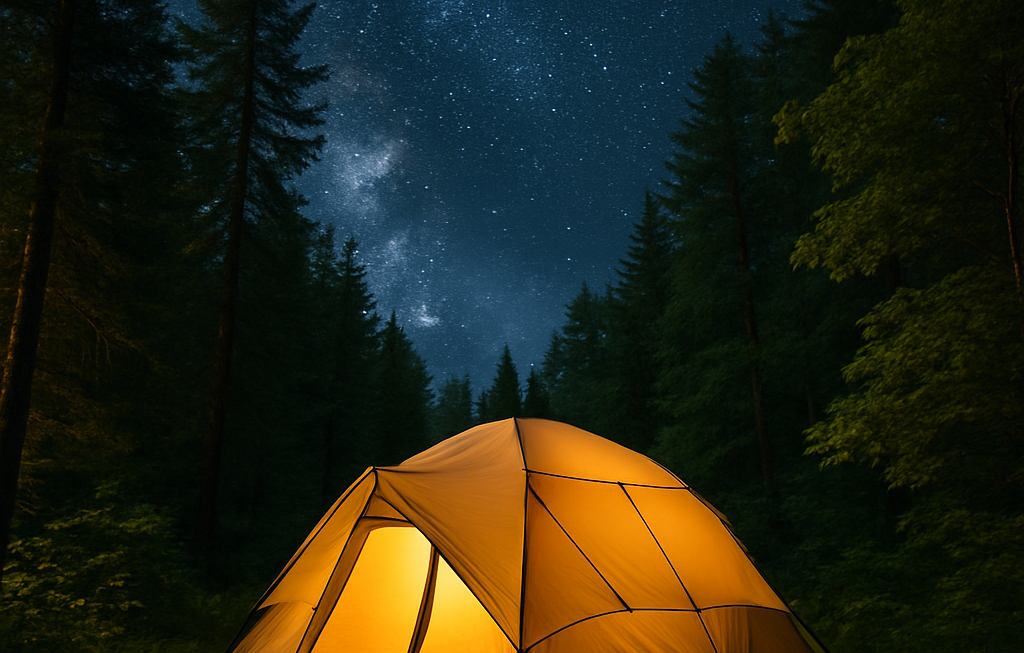
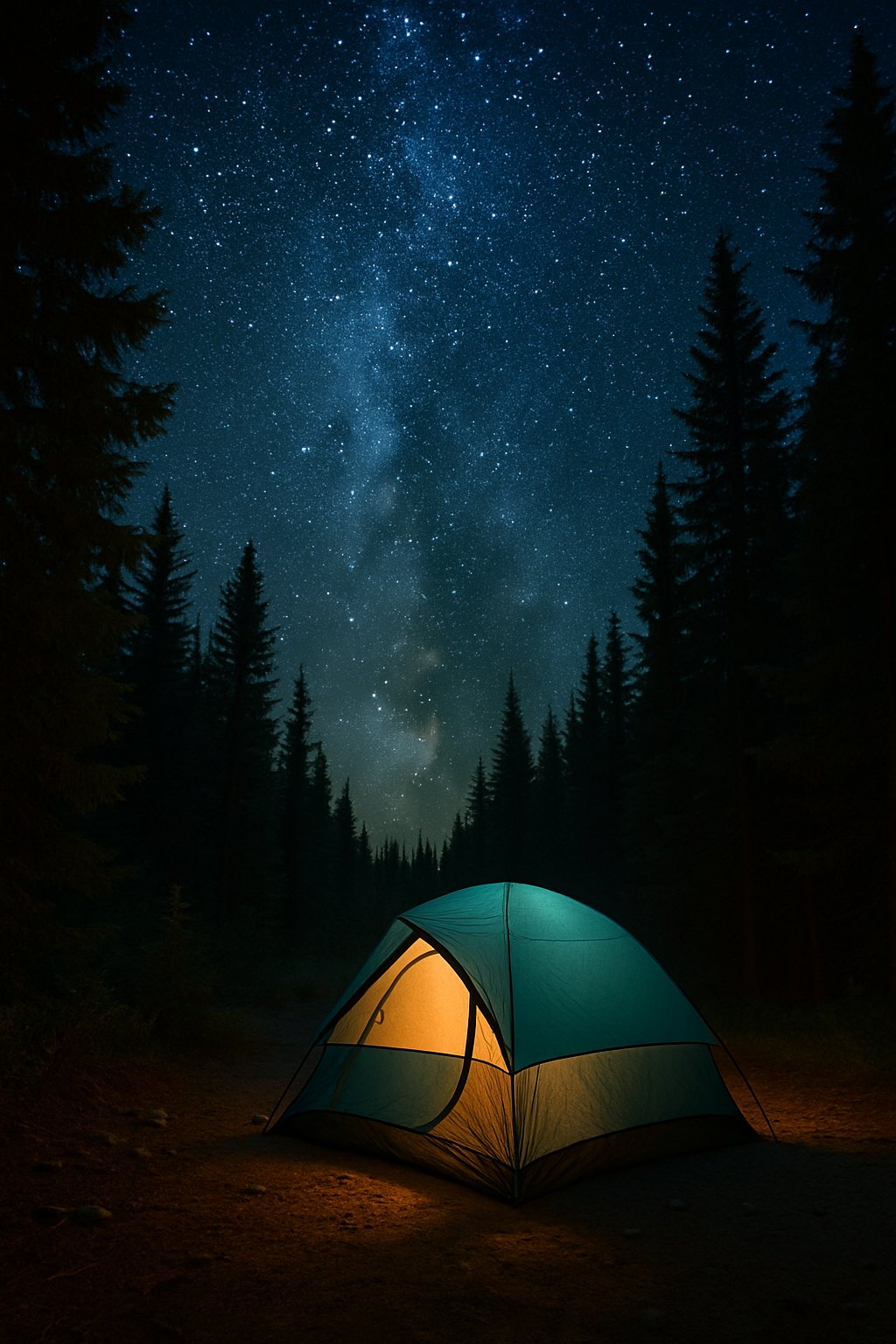
On my second camping trip ever, I showed up with a fancy ultralight tent that I never practiced putting up. Night fell, the poles wouldn’t align, and I ended up sleeping half-inside, half-outside, cursing the stars. I vowed: never again. That was the night I also discovered the value of a tarp (see later).
2. Ignoring Weather & Temperature Swings
Mistake: You glance at “sunny” in the forecast and assume it will stay that way. You bring one T-shirt and hope for the best. Make sure to always pack multiple layers and extra warm clothing; you’ll regret it more if you need them and forget them!
Why it bites: Weather in the outdoors is a fickle beast. Afternoon thunderstorms, wind chill, cold nights—even desert areas can have temperatures swing wildly from scorching hot in the day to freezing cold after the sun goes down. If you’re unprepared, you’ll be cold, wet, miserable, or worse.
How to avoid it:
-
Use multiple weather sources (apps, forecasts, local cams) and check for hourly predictions.
-
Pack layers: merino or synthetic base, insulating mid-layer, waterproof outer shell.
-
Bring a rain jacket, even if forecast says “0% chance of rain.”
-
Know your sleeping bag’s temperature rating—don’t rely on “three-season” without checking.
-
Carry extras: gloves, beanie, change of socks.
I once camped in the Cascades in August. Forecast said “warm and dry.” By 10 pm, temps plummeted, and I lay in a 30°F bag with cotton clothes, shivering. I swore off “one-season” thinking forever. That night, hypothermia wasn’t funny.
3. Overpacking (or Underpacking): The Kitchen Sink Syndrome
Mistake: You pack as though you’re relocating, not camping. Too much stuff can weigh you down if you’re hiking to location or make finding what you need in a pinch an absolutely impossible task. Or, on the opposite extreme, bring too little and hope the forest will supply. It probably won’t.
Why it bites: Lugging excess weight sucks. You lose space, get tired fast, forget items, or end up improvising. Underpacking—missing essentials like extra socks, water, or first aid—can land you in a world of regret.
How to avoid it:
-
Use a prioritized checklist: shelter, sleeping gear, clothing layers, food/water, navigation, first aid, lighting.
-
Apply the “one item, two uses” rule (e.g. bandana can be towel, filter cloth, sunshade).
-
For car camping: your weight limit is higher, but don’t abuse it.
-
For backpacking: aim for base weight < 15 lbs (excluding food/water).
-
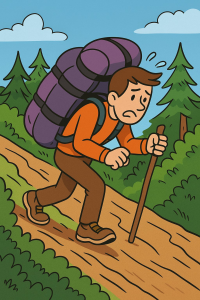
After packing, walk around for 5 minutes with the load. If your back whispers threats, trim.
On a four-day backpacking trip, I took the old Boy Scout motto of “Be Prepared” a little too literally by packing approximately 10-20lbs of canned food (notoriously not light) as well as an excess of four gallons of water (two full gallons, a two liter camelback, and several full water bottles tucked in various locations in my back) despite the fact we had various water purification methods. Nobody understood why I was moving so slowly on the hike in – slowly trudging along at the very rear of the group until we got to base camp and I unloaded everything in my backpack. Needless to say I got a good ribbing and a couple of goo blisters to boot and never made that mistake again!
4. Picking the Wrong Tent or Shelter
Mistake: You buy the extra large family tent on a backpacking trip where you’re sleeping solo; accidentally grab a “camping tarp” when you needed a full tent; or you pick a small, flimsy shelter without considering wind, rain, or ground conditions; all can cost you when the time comes to set up your shelter.
Why it bites: You’ll get blown around, leak in storms, feel cramped, or wake up with bugs inside. Your tent might fail you at the worst moment.
How to avoid it:
-
Choose tents rated for conditions you expect (3-season, 4-season, etc.).
-
Consider footprint, shape, room for gear.
-
Use full pegging, guy lines, and stake properly (45° anchors).
-
Air the tent before use.
-
Bring a groundsheet or footprint to protect the floor.
-
If using tarps: know proper configurations and wind shielding.
Need more help figuring out what gear you’re going to need on your first foray into the wilderness? Check out our beginners guide on What do Bring on Your First Camping Trip.
5. Arriving Late & Trying to Set Up in the Dark
Mistake: You plan poorly and roll into camp at dusk or after nightfall, and are then forced to fumble with gear under flashlights and headlamps.
Why it bites: You’ll grab the worst camp spot, set up sloppily, break stakes, lose gear, or freak out in the dark. You’ll curse yourself and possibly wake up sideways in your tent.
How to avoid it:
-
Schedule buffer time. Arrive early (ideally mid-afternoon).
-
Scout camping spots before dark.
-
Have a quick setup plan (tent, tarp, sleeping system).
-
Carry a good headlamp, extra batteries, and ambient lighting.
-
Consider practice or mock setups at home in twilight conditions.
6. Underestimating Water & Hydration Needs
Mistake: You think “there’s water in streams, I’ll filter later.” Or you bring just enough water for cooking, not for drinking or emergencies.
Why it bites: Dehydration is a silent killer. It can cause gasping, severe headaches, dizziness, or worse. If your filter fails, sourcing water can become a crisis. Water purification tablets can be a huge help but make sure to pack enough water for your needs from the jump!
How to avoid it: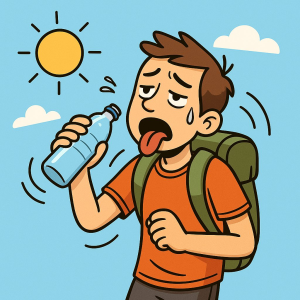
-
Know your water sources in advance.
-
Carry at least double your anticipated daily water intake.
-
Bring a reliable water filter/purifier or chemical tablets.
-
Carry spare purification method (e.g. backup tablets or UV pen).
-
Always boil or filter water if uncertain.
On a spring camping trip to a local canyon, I assumed the creek near camp was full. It was trickling at best. My filter clogged, and I found myself bottling mud water, sipping through the grit like I was in a survival show. Water prep is sacred.
7. Trying Fancy Meals Instead of Simple, Reliable Ones
Mistake: You plan layered gourmet meals with five pots and sauces, or expect to “cook from scratch” nightly.
Why it bites: Complexity means more gear, more failures (wind, flame out, spilled pots), and hunger. Real hunger doesn’t care about your recipe. Make sure to bring ready-to-eat or easy-to-prepare light snacks and meals like trail mix, granola, or MREs.
How to avoid it:
-
Stick to simple, high-energy staples. Freeze-dried meals, pasta + sauce, oatmeal, protein bars.
-
Pre-measure ingredients and use re-sealable pouches.
-
Cook in a single-pot or minimal gear setup.
-
Practice meals at home once. Know your cook times.
-
Bring backups (food bars, nuts) in case fire fails.
8. Insufficient Lighting & Poor Night Prep
Mistake: You assume your phone flashlight is enough, or you forget spare batteries, lanterns, or backup lights. A normal flashlight is good, but a headlamp is great so you can still go about tasks around the campsite hands-free.
Why it bites: At night, everything becomes treacherous: navigation, going to the bathroom, cooking, emergencies. Darkness kills morale and utility.
How to avoid it:
-
Bring a headlamp (hands-free), lantern, and backup flashlight.
-
Carry spare batteries or USB charging (if solar or power bank).
-
Place lights at multiple levels (tent interior, path marker, cook area).
-
Test in dim conditions.
-
Know how to operate them blind (on/off, brightness).
9. Improper Food Storage & Wildlife Attraction
Mistake: You leave food in the tent, in open containers, or neglect to secure it against animals. Products like bear bags can help you hang your food away from your tent but safe from animals in areas where wildlife is prevalent.
Why it bites: Raccoons, bears, rodents will pay you a visit. You’ll wake to food theft, gear chewed, or worse—a bear rummaging in your camp.
How to avoid it:
-
Use airtight containers, odor-proof bags, bear canisters when needed.
-
Store food away (tree hang, lockbox, or animal-proof bin).
-
Don’t eat in your sleeping area.
-
Clean up thoroughly after cooking.
-
Dispose of trash properly (pack it out, use bins).
On a friend’s trip near Yellowstone, they left their ziplock lunch in their tent overnight. Morning brought a raccoon conga line through their gear. Pants, granola, socks—all ransacked. Nature doesn’t respect personal property.
10. Neglecting First Aid, Navigation, & Emergency Planning
 Mistake: You assume “it’ll be fine.” No map, no compass backup, minimal first aid kit, no check-in plan.
Why it bites: If someone sprains an ankle, gets dehydrated, or you lose mobile signal, you might be in trouble. Without navigation backup or a plan, things escalate fast.
How to avoid it:
-
Carry a first aid kit with gauze, antiseptic, blister treatment, medications, bandages.
-
Bring a written map and compass (and know how to use them).
-
Inform someone of your route and return time (even if you think you’ll be back “early”).
-
Carry a whistle, signaling mirror, emergency blanket.
-
Know the nearest exit routes or water sources.
Early on I thought “GPS is enough.” I lost signal in a canyon, wandered off my route, and ended up backtracking two hours at dusk. I learned to always carry a paper map and tell someone exactly where “camp B” is. Remember folks, digital can always fail so analog is the way to go in wilderness or emergency situations!
11. Violating Leave No Trace & Camp Etiquette
Mistake: You leave trash, dump waste in the woods, ignore campsite rules, disrespect other campers.
Why it bites: You degrade nature, make hosting hard for future campers, and may be penalized (fines, bans). You also get a reputation among locals—and in our line, that’s dangerous.
How to avoid it:
-
Pack out all trash (including biodegradable stuff).
-
Bury human waste properly (6–8 in deep, 200 ft from water).
-
Use designated fire rings, follow fire bans.
-
Keep noise down, respect quiet hours.
-
Stay on trails, avoid fragile terrain.
12. Using Old or Damaged Equipment & Skipping Repairs/Checks
Mistake: You pull old gear out of storage, ignore wear, skip replacing broken zippers or holes, or rely on cracked stakes.
Why it bites: Gear failure in the field—tent tear, pole breakage, stove crack—is a pressure point that can ruin the trip or force early exit.
How to avoid it:
-
Before packing, inspect your gear: seams, zippers, poles, stove fittings, backpacks.
-
Carry a light repair kit (duct tape, pole splints, needle & thread, patching material).
-
Replace anything damaged beyond safe repair.
-
Keep spare essentials (stakes, cordage, clips).
One August I used a tent I hadn’t camped with in three seasons. That night, a pole snapped. I Macgyvered a repair with duct tape and paracord, but spent the rest of the night re-rigging the tent every time there was a strong gust of wind. Goodbye comfort, hello shivering.
Putting It All Together: A Pre-Camping Checklist
Here’s a compact checklist you can run through before any first camping trip. If you hit “Yes” on all, you’re in good shape.
| ✅ Task | Why It Matters |
|---|---|
| Test all gear at home | No surprises in the dark |
| Check detailed weather forecast & historical patterns | Prevent cold/rain disasters |
| Pack layering system & waterproofs | Be ready for condition swings |
| Use a smart, prioritized gear checklist | Avoid over/under packing |
| Pick a tent suited to conditions & practice setup | Structural integrity under load |
| Schedule arrival with daylight margin | Ease of setup & campsite choice |
| Carry surplus water & filtration backups | Hydration is non-negotiable |
| Plan simple meals & test them | Avoid hangry disaster |
| Bring redundant lighting | Night is brutal without it |
| Secure food properly | Avoid wildlife raids |
| Include navigation, first aid, and emergency plan | Safety buffer for the unknown |
| Inspect gear & bring repair kit | Prevent small failures becoming big ones |
| Respect Leave No Trace & campsite rules | Preserve nature & avoid fines |
Here’s the truth: camping mistakes are practically a rite of passage. You will mess something up. You’ll overpack, or underpack, or forget that the forest doesn’t supply extension cords. That’s fine—as long as you keep the mistakes small, learn from them, and live to laugh about them later.
To recap, here’s what actually matters:
-
Test your gear before you leave.
-
Pack smart, but don’t haul the kitchen sink.
-
Respect weather swings with proper layers and shelter.
-
Keep meals simple, your camp lit, and your water safe.
-
Secure your food from wildlife, prep for emergencies, and respect the land you’re in.
If you handle those basics, the rest is just seasoning. The forest doesn’t demand perfection—it just punishes arrogance. Get the fundamentals right, and you’ll spend less time cursing in the dark and more time watching stars, swapping stories, and wondering why you didn’t start camping sooner.
Want to check out more of the best of the nature and outdoors the United States has to offer? Check out the Top 5 States with the Most National Parks in the US!