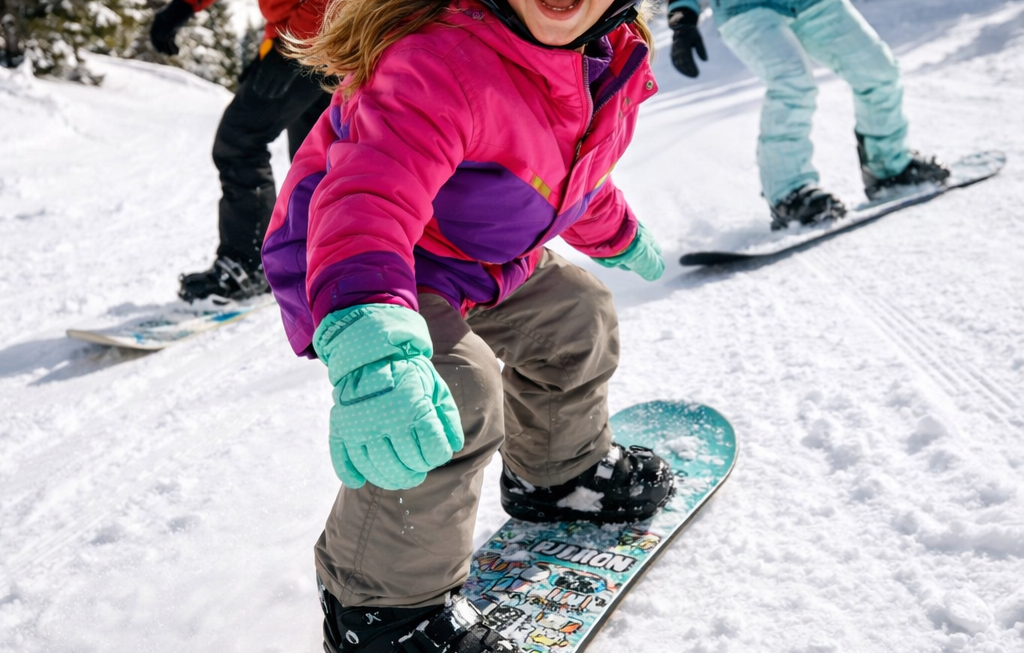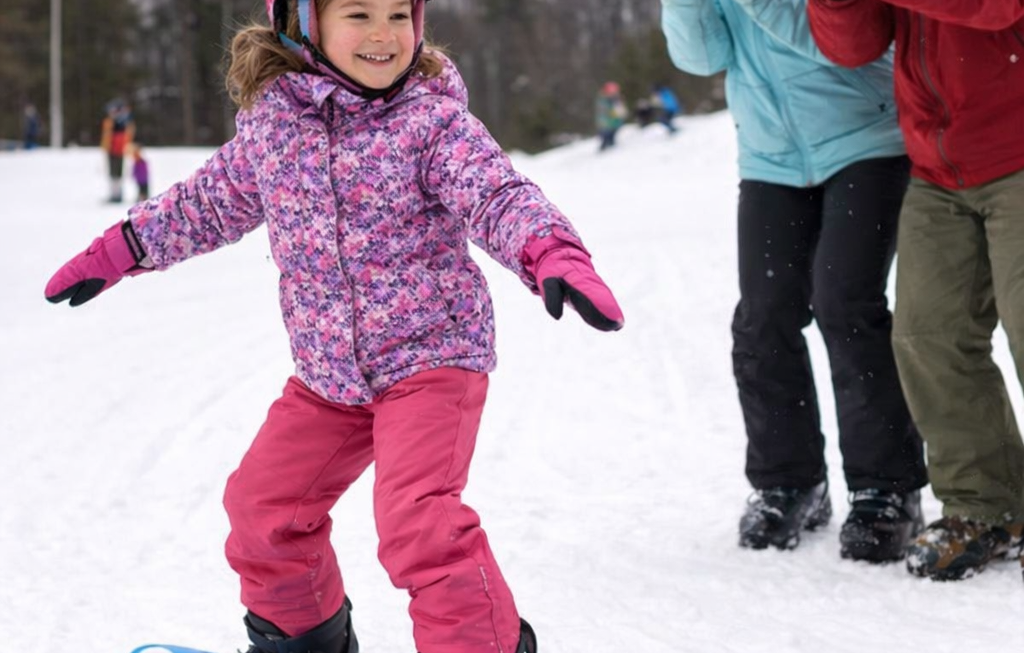
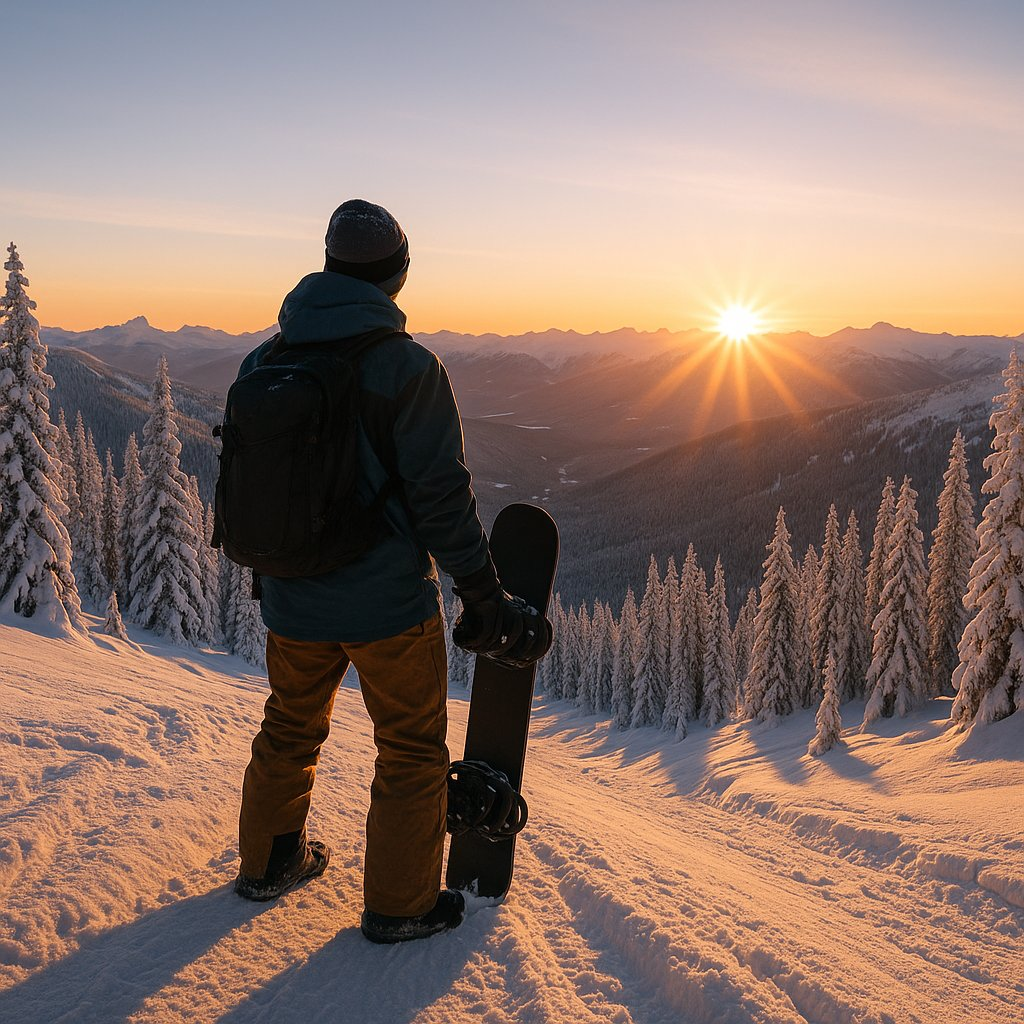
 There’s something about snowboarding that never gets old. Maybe it’s that first carve after a fresh snow, maybe it’s the rush of dropping into a tree run you’re not quite sure about, or maybe it’s laughing with friends after someone (probably me) catches an edge and eats powder. Snowboarding is part adrenaline, part freedom, and part community; where you ride can make all the difference.
Not every mountain is created equal, and not every state brings the same vibe. Some states are powder paradises, some are terrain-park havens, and some just have so many resorts that you could spend a lifetime exploring. So which ones stand above the rest?
I dug deep — comparing snowfall averages, number of resorts, terrain variety, and the culture around riding. I checked out rider chatter, resort stats, and years of experience chasing pow days and park laps.
5️⃣ Michigan — Midwest Snowboarding’s Heartbeat
Michigan isn’t the Rockies, and it’s not trying to be. What it does bring to the table is accessibility, affordability, and a diehard community of riders who will shred every inch of snow the Upper Midwest gives them. With over 40 ski areas (more than any state except New York), Michigan is a snowboarding factory for locals.
Why It Matters for Snowboarders
-
Consistent winter weather across the Upper Peninsula and lake-effect storms that keep trails fresh.
-
Beginner-friendly resorts everywhere — you’re never far from a hill, even if you’re just outside Detroit.
-
Terrain parks: Michigan takes pride in its freestyle features. Places like Boyne Mountain, Nub’s Nob, and Crystal Mountain invest heavily in park setups.
Top Spots in Michigan
-
Boyne Mountain & Boyne Highlands: Two of the biggest resorts in the Midwest with solid vertical and park variety.
-
Crystal Mountain: Known for its terrain park creativity and family-friendly vibes.
-
Mt. Bohemia (Upper Peninsula): A hidden gem — steep, ungroomed terrain with legit tree runs and backcountry feel.
-
Nub’s Nob: Great mix of trails and freestyle features, with a strong local culture.
Average snowfall: ~60–120 inches annually in the Lower Peninsula, 200+ inches in the Upper Peninsula thanks to Lake Superior lake-effect storms.
Rider’s take: Michigan’s no Rockies, but the U.P. can dump so hard you’d swear you were out west for a day. Resorts like Mt. Bohemia thrive on those lake-effect blizzards.
Michigan earns this spot not because it has the biggest mountains, but because it makes snowboarding accessible to the masses. It’s where a lot of us cut our teeth, learned to ride rails, and felt that first stoke of catching air.
4️⃣ Washington — Powder, Parks, and PNW Grit
If you’ve never ridden the Pacific Northwest, you’re in for a different kind of snowboard trip. Washington doesn’t have Colorado’s sunshine or Utah’s famous powder, but it has serious snowfall (often topping 600 inches a year) and some of the most legendary snowboard culture in the country.
Why It Matters for Snowboarders
-
Mt. Baker is iconic in snowboarding history, home of the Legendary Banked Slalom. If you love freeride culture, this place is like a pilgrimage.
-
The Cascades deliver massive dumps of snow — heavy, yes, but incredible for deep pow turns and storm riding.
-
A mix of family-friendly spots near Seattle and gnarlier backcountry access if you know where to look.
Top Spots in Washington
-
Mt. Baker: Steep terrain, deep snow, and a snowboard-first culture.
-
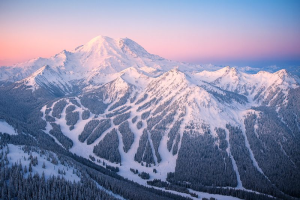
Crystal Mountain: The state’s largest resort with over 2,600 acres, bowls, chutes, and killer views of Mt. Rainier.
-
Stevens Pass: Solid mix of groomers, parks, and backcountry access.
-
Snoqualmie Pass: Close to Seattle with four separate base areas and night riding.
-
White Pass: Family-friendly, low-key, and home to some of Washington’s best tree runs.
Average snowfall: ~300–600 inches depending on resort. Mt. Baker is record-breaking — it once logged 1,140 inches in a single season (1998–99).
Rider’s take: Bring a board with float. Washington’s snow is legendary for depth, though it can be heavier than Utah’s feather-light powder.
Washington snowboarding is for riders who embrace the elements. The vibe here is core — people aren’t worried about how perfect the groomers are, they’re stoked to ride whatever the storm brought in.
3️⃣ Colorado — The Epicenter of U.S. Snowboard Culture
If snowboarding had a capital, Colorado might be it. With more than 30 resorts spread across the Rockies, Colorado is packed with terrain variety, culture, and consistent snow. It’s the go-to state for international riders, college town crews, and families alike.
Why It Matters for Snowboarders
-
High elevation means reliable snow quality and long seasons (sometimes October through May).
-
Terrain variety from mellow cruisers to steep bowls and endless parks.
-
Huge investment in terrain parks — Breckenridge, Keystone, and Copper are global freestyle hotspots.
-
Après culture: towns like Breck, Aspen, and Steamboat are as fun off the mountain as they are on it.
Top Spots in Colorado
-
Breckenridge: World-famous terrain parks and massive variety.
-
Vail: Huge resort with everything from glades to bowls.
-
Aspen Snowmass: Four mountains, all snowboard-friendly, with world-class terrain.
-
Copper Mountain: U.S. Olympic snowboard team trains here for good reason — its parks and halfpipes are top tier.
-
Arapahoe Basin (A-Basin): Steep, rugged terrain with a diehard local culture.
Average snowfall: Most major resorts pull 250–350 inches annually, with places like Wolf Creek often topping 400+ inches.
Rider’s take: Consistency is the key here. Bluebird days + steady snow means you’re rarely disappointed, even in low years.
Colorado delivers because it checks every box. Want park laps? Done. Powder bowls? Easy. Tree runs? Everywhere. It’s where snowboarders can shape their style and find their niche.
2️⃣ Utah — Powder Heaven
There’s a reason riders call Utah snow “The Greatest Snow on Earth.” The state averages some of the driest, fluffiest powder in the world, thanks to unique geography and storm patterns. Add in easy access from Salt Lake City, and you’ve got a snowboard paradise.
Why It Matters for Snowboarders
-
Storms regularly dump 500+ inches of snow per season.
-
Resorts are clustered around Salt Lake City — you can land at the airport and be on the slopes in under an hour.
-
Legendary backcountry for those who know how to ride it safely.
-
Terrain parks are improving, but the real draw is powder, steeps, and natural terrain.
Top Spots in Utah
-
Park City Mountain Resort: One of the largest ski/snowboard areas in the U.S. with over 7,300 acres.
-
Snowbird: Steep, deep, and famous for its big-mountain terrain.
-
Brighton: Known for its freestyle culture and park scene — a snowboarder’s resort through and through.
-
Solitude: Smaller crowds, endless powder stashes.
-
Powder Mountain: Huge acreage, fewer lifts, and a backcountry feel.
Average snowfall: Resorts in the Wasatch (Snowbird, Brighton, Alta) average 500+ inches annually. Powder Mountain and Little Cottonwood Canyon regularly hit the high marks.
Rider’s take: This is the famous “Greatest Snow on Earth.” Dry, fluffy, blower powder that makes every turn feel weightless.
Utah is the state where you go if you want to float in powder all day and still have energy to laugh about it over tacos in Salt Lake that night.
1️⃣ California — The Ultimate All-Around Snowboard State
California takes the top spot because of its insane variety. With over a dozen major resorts spread across the Sierra Nevada, Southern California mountains, and even Mount Shasta in the north, the state offers everything: powder, terrain parks, long seasons, and culture.
Why It Matters for Snowboarders
-
California combines snowboarding with its laid-back culture — bluebird days, music festivals, and a snowboard scene that’s been shaping style for decades.
-
Long seasons: Mammoth Mountain often stays open into June (sometimes July).
-
Southern California parks like Bear Mountain focus on freestyle progression, while Tahoe offers big-mountain variety.
-
You can snowboard in the morning and surf in the afternoon — where else in the world can you say that?
Top Spots in California
-
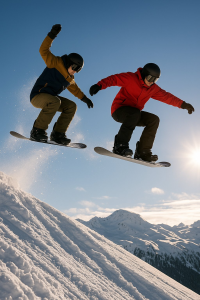
Mammoth Mountain: Legendary terrain parks, massive vertical, and a season that doesn’t quit.
-
Palisades Tahoe (formerly Squaw Valley): Steep, Olympic-level terrain with deep bowls and chutes.
-
Heavenly: Epic lake views while carving down long groomers.
-
Kirkwood: Steep, powder-friendly terrain for advanced riders.
-
Bear Mountain & Snow Summit: SoCal park-rider paradise — the birthplace of modern jib culture.
-
June Mountain: Family-friendly alternative with great terrain variety.
Average snowfall: Tahoe resorts average 300–500 inches annually. Mammoth is often in the 400-inch range, with mega-storm years topping 600–700 inches.
Rider’s take: California can flip the switch — dry one year, then record-shattering the next. But when it’s good, it’s insanely good.
California earns #1 because it gives you everything. Pow days, park laps, steep chutes, mellow cruisers — plus that California lifestyle that makes every trip feel like an adventure.
Frequently Asked Questions About Snowboarding in the U.S.
Which state has the longest snowboard season?
California often takes the crown here. Mammoth Mountain usually stays open into June, and in big snow years has even stretched into July. High elevation plus Sierra snow makes for marathon riding seasons.
Where can you snowboard and surf in the same day?
California’s the only state where this combo is realistic. Ride laps at Bear Mountain or Mammoth in the morning, then head to the Pacific coast to catch waves by sunset. It’s a bucket-list double for riders.
Which U.S. state gets the most snow for snowboarding?
Utah and Washington both average monster snowfall (500–600+ inches a year at some resorts). Utah’s snow tends to be drier and fluffier, while Washington’s comes in heavy and deep. Either way, bring your powder board.
What’s the best state for beginner snowboarders?
Colorado is a strong choice. Resorts like Keystone, Copper Mountain, and Winter Park are packed with beginner-friendly runs and great ski schools. Michigan also deserves credit for easy access hills and budget-friendly lift tickets.
What state has the most ski and snowboard resorts?
New York technically has the most ski areas overall, but when it comes to snowboard culture and top-tier resorts, Colorado and California dominate the conversation. Colorado has 30+ resorts, while California offers huge variety with Tahoe, Mammoth, and SoCal parks.
Final Thoughts
Snowboarding isn’t just about mountains; it’s about moments. The best states bring you terrain, snow, and culture that stick with you long after the season ends. Whether you’re lapping a park in Michigan, chasing storms in Washington, diving bowls in Colorado, floating Utah powder, or stretching your season into June at Mammoth, each ride is part of the story.
For me, snowboarding has always been about that mix of thrills and peace — the joy of riding with friends, the quiet on a lift ride through falling snow, the adrenaline of sending it just a little further than last time. These five states deliver those feelings in spades.
👉 Planning your first outdoor trip? Check out our Camping Essentials Guide.
👉 Looking for dirt-focused thrills? Don’t miss our Top 10 Dirt Bike Trails in the U.S..
Now grab your board, pack your gear, and chase the next line — because the mountain’s waiting.